

The best hackathon teams combine technology, creativity and strategy
I spent this weekend at Hack // Meat, a hackathon focused on bringing change and innovation to the way meat is currently produced, processed, distributed, sold and consumed. The event brought together over 100 people from almost 10 states, and the 15+ teams worked on a wide range of hacks from scheduling systems to marketing campaigns.
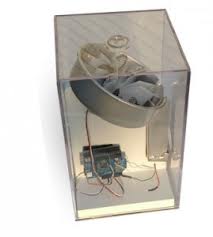
My group of five people developed a tool to help digitize data during meat processing. The result was Carv, an internet-enabled digital scale and label printer. We prototyped it using Android, a USB scale, Parse and Bootstrap, but the idea behind Carv is that the scale would capture all of the data associated with weighing and labeling cuts of meat and then upload that data to the cloud. It’s a very simple product, but its real power comes from the suite of digital services that can be built on top of that database of information. Producers can have real-time inventory, processors can have government paperwork completed automatically, and new consumer-facing marketplaces could be created. This combination of product and services help both processors and producers grow their business and improve their bottom line – all without having to change their existing behavior and workflow.
The panel of hackathon judges (comprised of two VCs, a CEO, a Chief Scientist and an Executive Butcher) liked our idea too, and at the end of the weekend we were awarded first prize for our concept and prototype.
Compared to my previous hackathons, what made this team particularly unique was that it wasn’t entirely made of developers cranking out code. Between the five of us, we had deep skills in technology, graphic design, user experience, business strategy, photography, social media, communications, as well as hands-on experience with farms and processing plants. Some had more expertise in areas than others, but we all had a basic understanding of each other’s field and all valued the importance that each person’s role played in the final product. While I was coding, someone else was designing a logo, someone else was writing descriptions of our concept, someone else was brainstorming ideas for additional services. We would constantly check in with each other and give feedback to make sure we were aligned. By sitting around a table and working together, we were able to build something in 48 hours that didn’t just work, but worked well and made sense. It was a clear solution that solved the problem, provided a benefit to each party in the meat supply chain, and did so in a simple way that could be executed quickly.
In our industry, others often promote the operational benefits of separating different skillsets – of having your “creative” work done in one place and then thrown over the wall to your “technical” team who just builds it. But if this weekend is any indication, then if you want to create the best work quickly, that only happens when each discipline is sitting at the same table working together.