


Training and Using your Brain at CES 2013
After re-acclimating to the unique mixture of highly oxygenated air and cigarette smoke found only in Las Vegas, I joined the melee at the convention center for CES, the largest consumer electronics show on earth.
Last year at CES R/GA scouted would-be FuelBand competitors such as the MotoACTV and the Basis health tracker. This year two new fitness tracking wrist bands joined the now crowded party, the Fitbit Flex and LG Smart Activity Tracker. Both took cues from the FuelBand’s design, including on the Flex a series of 5 LEDs that light up in sequence as you move towards your step goal. But as activity tracking goes mainstream, the next frontier for Quantified-Self power users could be brainwave tracking. Muse is a headband that measures brainwaves and syncs to mobile devices, allowing users to enhance their brain health.
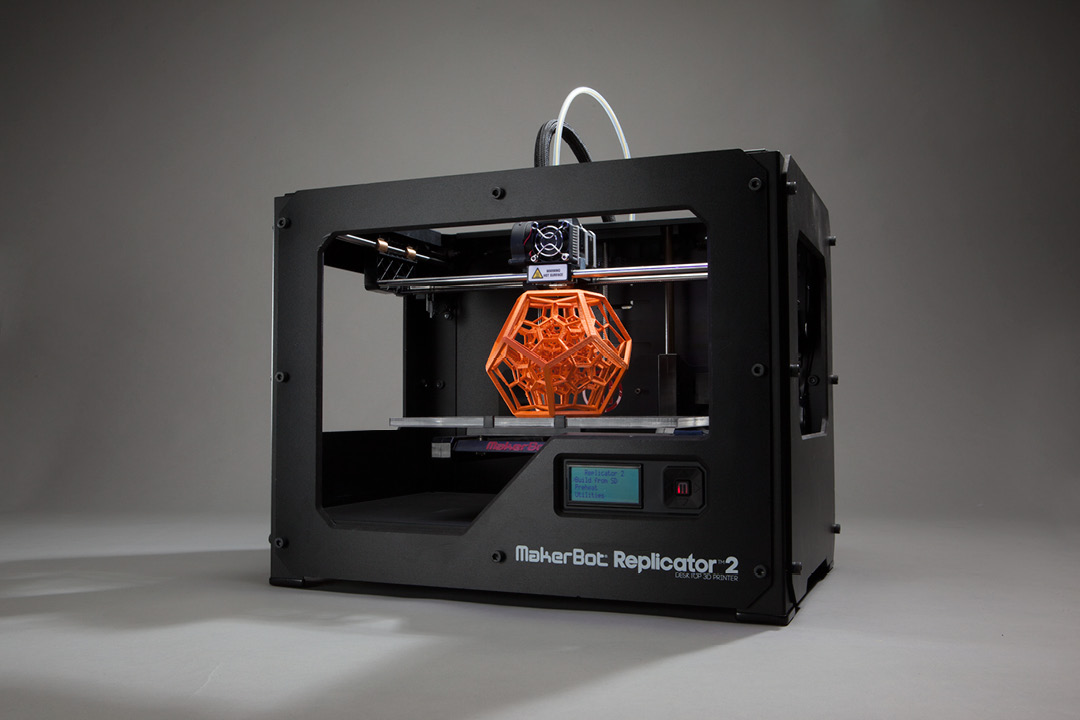 Another technology going mainstream is 3D printing and consumer fabrication. Makerbot, which until recently you’d think was more at home at events like MakerFaire, had a booth here at CES to show off its Replicator 2X. Meanwhile, Sculpteo, based in Paris, has a cloud-based fabrication service that allows you to upload 3D files, watch them being built remotely, and receive the resulting object by snail mail.
Robots were also a big theme, or as the guys from Suitable Technology call them, remote telepresence devices. BEAM, a telepresence device that allows you to interact with people in remote locations, is a physical, video-conferencing-enabled, remote-controlled TV on wheels. These things are piloted by the user, can push through doors, and are driven back to their doc for battery recharge when not in use. I couldn’t help but think of what our office might look like when the next Hurricane Sandy hits, with armies of these things bumping into each other in the halls, as our flesh and blood staff pilot them from the safety of our homes.
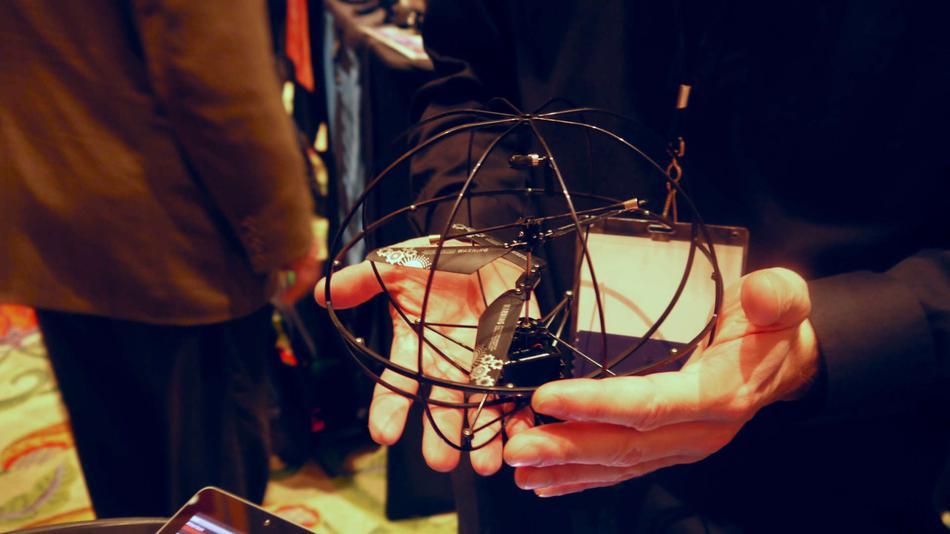 The BEAM is pretty homely looking actually, which I was told was intentional and based on their human factors research. When the bots were too blinged out, people didn’t focus on the person on the screen. At the same time, why have your telepresence device limited by gravity? Parrot, also another Parisian company, demoed their latest AR Drone 2.0, pushing the popular consumer drone further into the mainstream, while NeuroSky demoed a brain-controlled helicopter. If I’m going to have a personal drone slash remote telepresence device I want it to fly and I want to control it with my mind.